
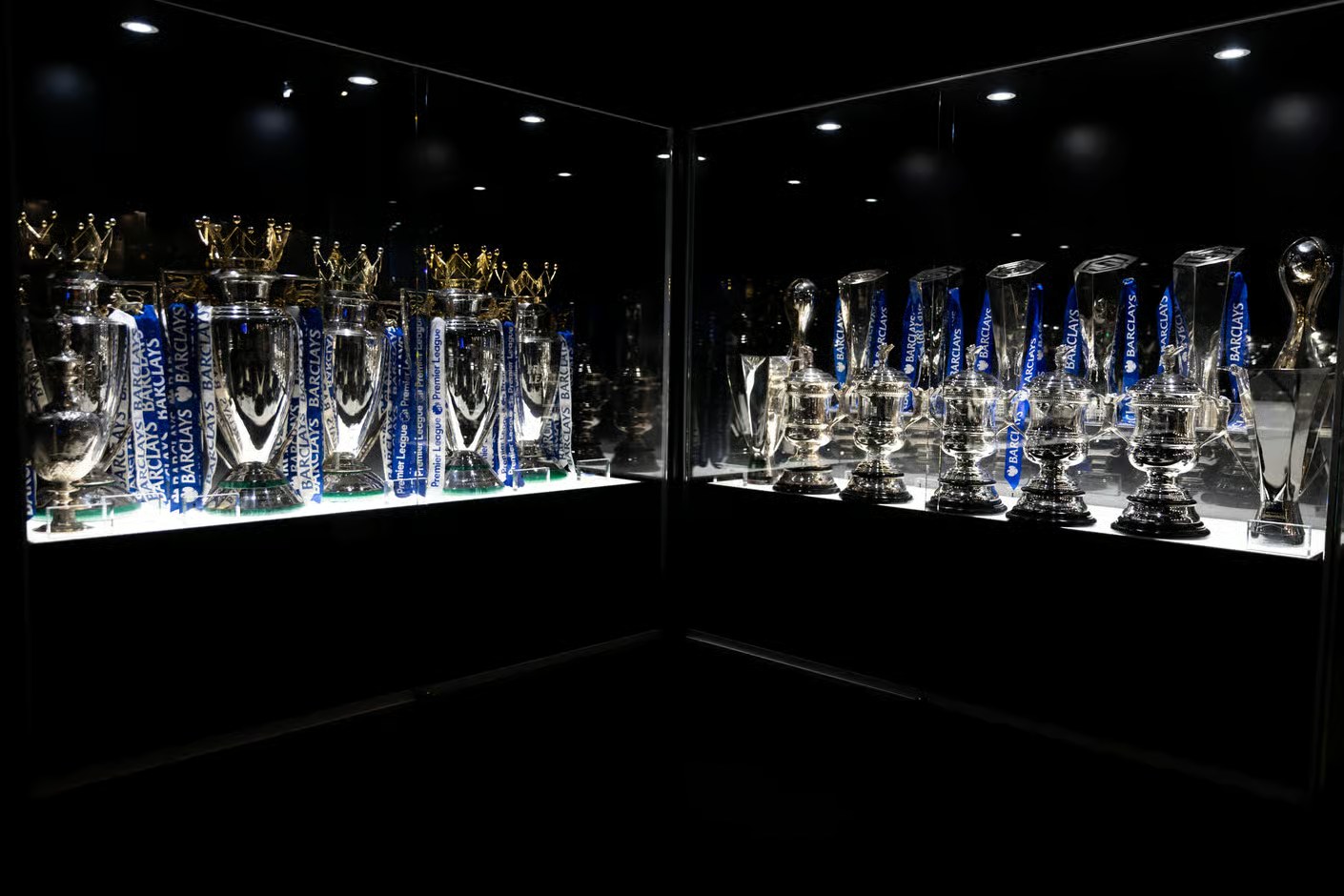
Chelsea FC Museum and Stamford Bridge Classic Tour
The classic tour with fuller museum time — the listing most often mistaken for a dearer version of the standard one.
From $57 per person
Check AvailabilityTwo channels sell the same ninety minutes at similar prices, and the difference is not the money. It is what happens when the fixture list moves, what your booking is worth if it does, and one product that neither channel controls at all.
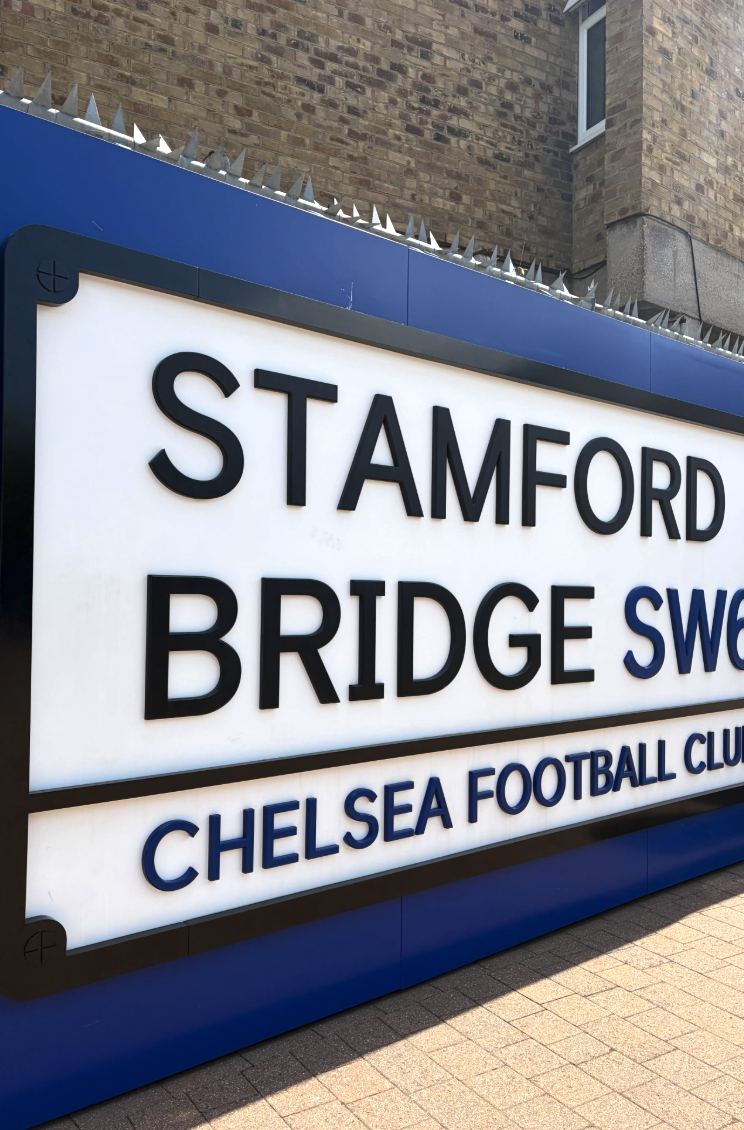
Unlike most attractions in this network, Stamford Bridge has a single operator: Chelsea Football Club runs its own stadium tours and its own museum, on its own premises, on its own schedule.
That means there is no concession market, no competing operators and no meaningful difference in what you see. Everybody walks the same route with the same guides.
What varies is where you buy, and the two options are the club’s own box office and the booking platforms that distribute its inventory. The differences are real but they are not about the tour.
The club sells directly through its own site, and this is the channel with the most inventory visibility.
What direct buying gets you: the full published schedule including slots that platforms may not carry, first sight of changes when a fixture moves, and a booking held in the club’s own system, which is the system that will contact you when something changes.
What it does not get you is a discount. The club prices its own product and has no reason to undercut its distribution.
The platforms carry the stadium tour and the museum combination, and add three things the club’s own checkout does not.
What a platform cannot do is know about a fixture change before the club does, and that is the one thing that matters most on this particular booking.
| Chelsea box office | Booking platform | |
|---|---|---|
| Price | Club’s own | Broadly the same |
| Inventory | The full published schedule | A selection of it |
| Cancellation | Club terms | Typically free to 24 hrs before |
| When a fixture moves | The club contacts you first | Passed on, with a delay |
| Reviews to read first | None | Thousands |
| Bundling with other London plans | No | Yes |
| Match tickets | Members and ballots | Occasionally, at a premium |
Read the fourth row twice. It is the whole argument for direct booking at this particular ground.
Not meaningfully, and where a gap appears it usually reflects a different product rather than a different price for the same one.
The $47 listing is the stadium tour with museum entry. The $57 listing is the classic tour with a fuller museum allocation. Comparing those two as cheap-and-expensive versions of one thing is the most common mistake made when comparing these listings, and it is a reading error rather than a pricing one.
So: stop shopping for a discount that does not exist and start reading what is in each listing. Duration, whether the museum is included, and whether it is a scheduled group or a private slot are the differences that will affect your morning.
This is the risk specific to booking a football ground, and it is worth understanding properly.
Premier League kick-off times are set weeks ahead and then moved for television. European draws add midweek fixtures at short notice. Cup rounds appear in the calendar with a month’s warning. Any of those can land on the day you booked a tour, and tours do not run on match days — often not the day before a European night either.
When that happens the club cancels and rebooks. Buying direct means you are in the club’s system and hear first; buying through a platform means the message travels one step further before it reaches you.
Match tickets. Chelsea, like every Premier League club with more demand than seats, sells the great majority of them to members and season-ticket holders through a loyalty system.
General sale, where it happens, goes to registered members in a priority order based on how many games they have already attended. A visitor arriving with a fortnight’s notice is at the back of that queue by design.
The $340 match-ticket listing here exists because there is a hospitality and package market alongside the members’ system, and that is what you are buying: an arranged seat at a premium rather than a general-sale ticket.
What this means for planning: if seeing Chelsea play is the point of the trip, treat it as the fixed item and build around it. If it is a bonus, treat it as a bonus.
Two categories, and only one of them is a problem.
The stadium tour has no meaningful resale market, because it is not scarce enough to be worth reselling. Anything charging a premium for a tour slot is selling you convenience you do not need.
Match tickets are a different matter. Unauthorised resale of football tickets is restricted in England, clubs cancel tickets found to have been resold outside their own systems, and turnstile checks are real. A ticket bought from an unofficial reseller can be voided at the gate, which is a bad afternoon a long way from home.
The safe routes are the club’s own systems, its official hospitality partners, and reputable booking platforms carrying named packages. Anything else deserves a hard look.
Not inside the ground, and it is worth being straight about that. The stadium tour and the museum are commercial products of a football club, there is no public-access equivalent, and there is no free version of walking the tunnel.
What is free is the outside. The ground sits on Fulham Road with the west stand facing the street, the club shop is open to anybody, and the walk from Fulham Broadway past the stands gives you a sense of the scale for nothing.
That is a thin offer compared with, say, a national museum, and it is the honest answer. If a stadium tour is not in the budget, the free version of this outing is a photograph outside and a look in the shop.
Buy direct if your dates are immovable. The fixture list is the one genuine risk on this booking, and being in the club’s own system is the fastest way to hear that it has moved.
Use a platform if you are still deciding, want the cancellation window stated plainly, or are assembling a London week in one basket. The tour is identical either way.
And treat match tickets as a separate problem entirely. They are not sold like tour tickets, the resale market carries real risk, and if the match is the point of the trip it should be the first thing you book rather than the last.
Chosen to match what this guide covers, not for what sells.
The classic tour with fuller museum time — the listing most often mistaken for a dearer version of the standard one.
From $57 per person
Check Availability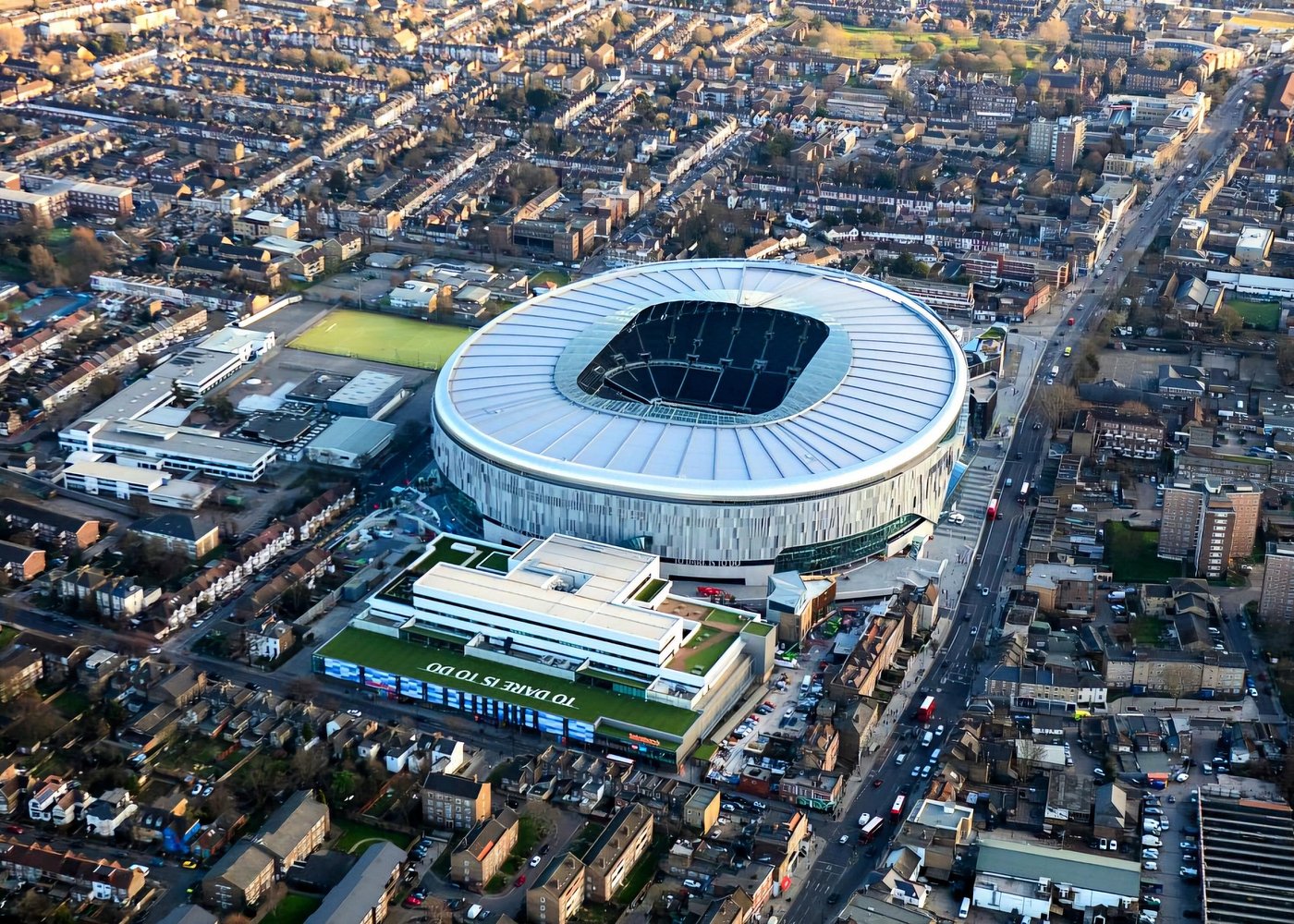
A platform-only product: no club sells a multi-ground private car tour, which is the clearest case for using a platform at all.
From $328 per person
Check Availability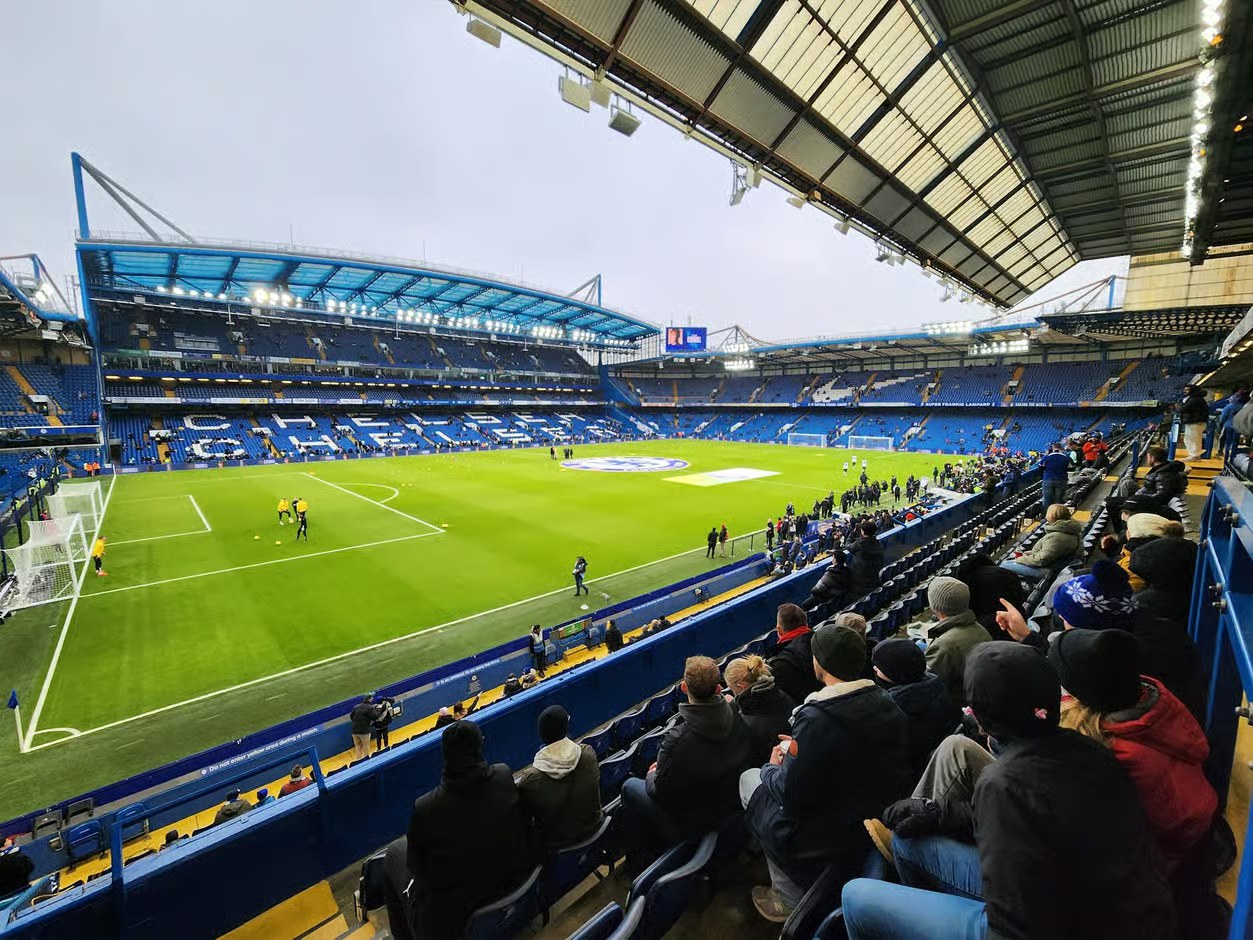
The match-ticket route, which is a package rather than a general-sale seat, and the reason the two markets should not be compared.
From $340 per person
Check Availability