
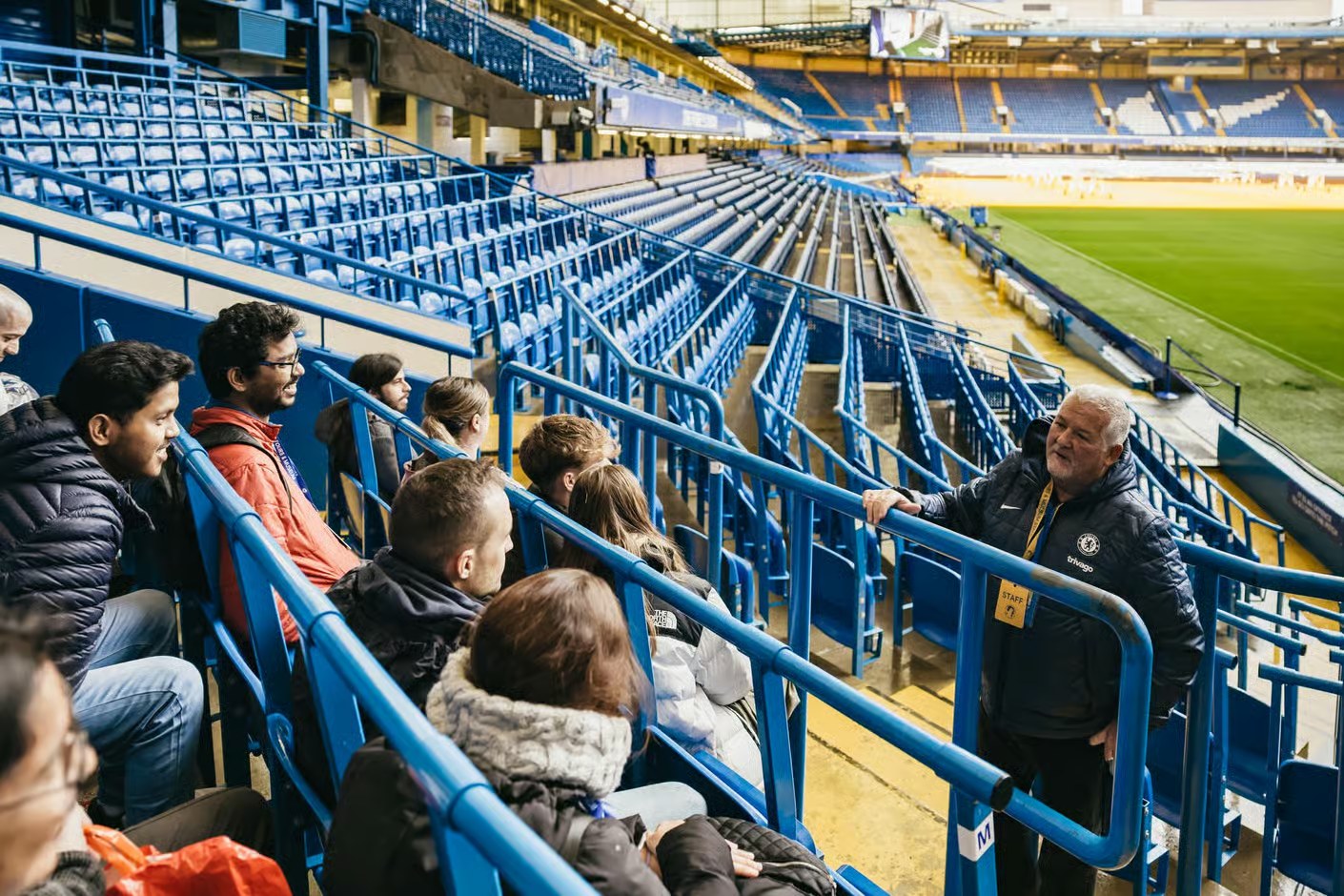
Chelsea Football Club Stadium and Museum Tour
The tour to book in a close-season month, when the schedule is fullest and no broadcaster can move anything onto your morning.
From $47 per person
Check AvailabilityThis is the only attraction in the network whose opening hours are set by a broadcaster. Tours do not run on match days, the fixture list moves for television, and the safest month to visit is the one with no football in it at all.
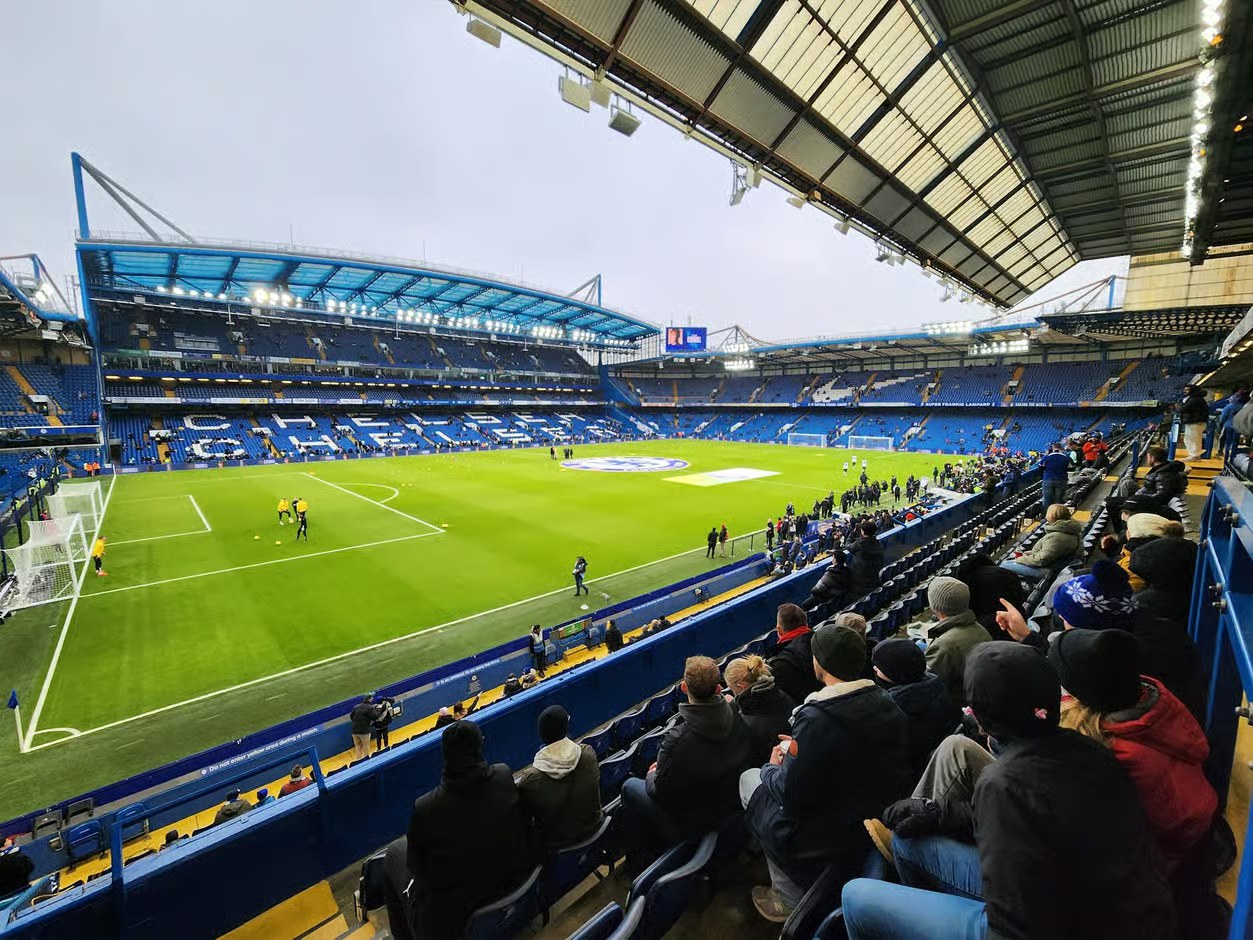
Most attractions publish opening hours and keep them. A football ground publishes a schedule that a broadcaster can move.
Stamford Bridge runs stadium tours on days when the ground is not in use and not being prepared for use. That is most days, and the exceptions cluster in ways that are entirely predictable once you know the pattern.
What makes this worth a guide rather than a footnote is that the exceptions land on weekends, which is when most visitors want to go, and that the fixture list is not final until a few weeks out.
Premier League football runs from mid-August to late May. Inside that window Chelsea play roughly thirty-eight league matches, of which nineteen are at home, plus domestic cups and, in most seasons, European fixtures.
Call it twenty-five to thirty home dates across nine and a half months. Add the day before a European night, when preparation can close the tour, and you are looking at perhaps thirty-five affected days in a season.
That is roughly one day in eight during the season, which sounds manageable until you notice they are disproportionately Saturdays and Sundays.
| Period | Football | Tour availability | Crowds | The read |
|---|---|---|---|---|
| June–July | None — close season | Highest of the year | Peak tourist season | Safest months to book, busiest ground to tour |
| Early August | Pre-season, then kick-off | Very good | High | The last clear window before the fixture list starts |
| September–October | League plus Europe | Good on weekdays | Moderate | Weekday mornings; weekends need checking |
| November | Congested; internationals break it up | Mixed | Low | The international break is a reliable clear window |
| December | The busiest month of the season | Poorest | Moderate | Fixtures every few days; check carefully |
| January | League plus cup rounds | Mixed | Lowest | Quiet ground, unpredictable calendar |
| February–March | League, Europe, cup | Mixed | Rising | European weeks are the risk |
| April–May | Run-in; fixtures move most | Mixed | Rising | The most television rescheduling of the year |
The pattern is clear enough: the close season is the safe bet and December to May is where the risk sits, with weekday mornings safer than weekends throughout.
The stadium tour, entirely. The ground is in use, the dressing rooms are the teams’, the tunnel is a working corridor and the press room is about to be full of journalists.
The museum sometimes opens on a restricted basis for ticket-holders, and the club shop opens as normal. But if you booked a tour for a day that turns into a home fixture, the tour is cancelled and rebooked rather than shortened.
This is not an inconvenience the club can design around. It is what a football ground is for, and the tour is the secondary use.
The under-appreciated part of the pattern.
A European fixture brings a competition’s own requirements: the visiting side train at the ground the evening before, the pitch is prepared, the press facilities are set up to a different specification, and access is restricted well before kick-off.
In practice that can close tours on the day before as well as the day itself, which turns one date into two. In a season with a European campaign, a Tuesday or Wednesday in the middle of a competition week is the least reliable slot in the calendar.
Domestic cup draws are made round by round, which means home fixtures appear in the calendar with roughly a month’s notice rather than a season’s.
January and February carry most of this risk. A booking made in November for a Saturday in late January was made before anybody knew whether there would be a home tie that weekend.
The mitigation is simple and it is the same one throughout: book with a free cancellation window, and check the fixture list again about three weeks out, when the draw has been made and the television selections are known.
Because broadcast rights are sold by slot rather than by match, and the broadcasters choose which games go where.
A Saturday three o’clock kick-off can become a Sunday afternoon, a Monday night or a Saturday lunchtime, with the selections announced several weeks ahead. That is enough notice for a season-ticket holder and not always enough for a traveller who booked flights in advance.
The practical consequence is that the published fixture list is a draft until roughly five to six weeks out. A tour booked around a fixture that has not yet been selected is a booking made on incomplete information.
June and July are the reliable months, and they come with a trade.
With no competitive football, tours run their fullest schedule of the year, weekends included, with no fixture risk at all. If your trip is inflexible and the tour matters, this is when to come.
The trade is that the ground is at its least alive. No pitch markings in some weeks, occasional maintenance and stand work, and none of the sense of a stadium about to be used. Some visitors prefer the summer ground precisely because it is calm; others find it flat.
The other trade is London itself: June and July are peak tourist season, so everything around your football morning is busier and dearer.
Ranked honestly.
Three steps, in order, and they take five minutes.
First, look at the published fixture list for your dates. Home matches are the obvious exclusions.
Second, check whether your dates fall inside a European competition week. If they do, treat the midweek days as unavailable rather than as a gamble.
Third, book with free cancellation to 24 hours before and check again about three weeks out, once the broadcast selections and any cup draws are known. That is the point at which the calendar stops moving.
Not on the same day, and this trips people up.
If Chelsea are at home, there is no tour. If there is a tour, there is no match. The two products occupy the same building on mutually exclusive days, and no ticket combines them.
On a longer stay you can do both, on different days, and that is genuinely the best version of this trip: the empty ground with the dressing rooms open on a Thursday, and the full ground on a Saturday. Very few visitors plan it that way and the ones who do never regret it.
The sequencing that works is tour first, match second. Walking the tunnel on Thursday changes what you notice from the stands on Saturday, and it does not work as well the other way round.
June and July if the tour is the point and your dates are fixed. No football, the fullest schedule of the year, and no chance of a broadcaster moving anything onto your morning.
A weekday morning in September, October or the November international break if you want the ground with a season around it. Check the fixture list, book with free cancellation, and check again three weeks out.
And if the season is running and you can stretch to two visits, take the tour midweek and the match at the weekend. That is the trip, and it is the one thing this calendar makes possible rather than difficult.
Chosen to match what this guide covers, not for what sells.
The tour to book in a close-season month, when the schedule is fullest and no broadcaster can move anything onto your morning.
From $47 per person
Check Availability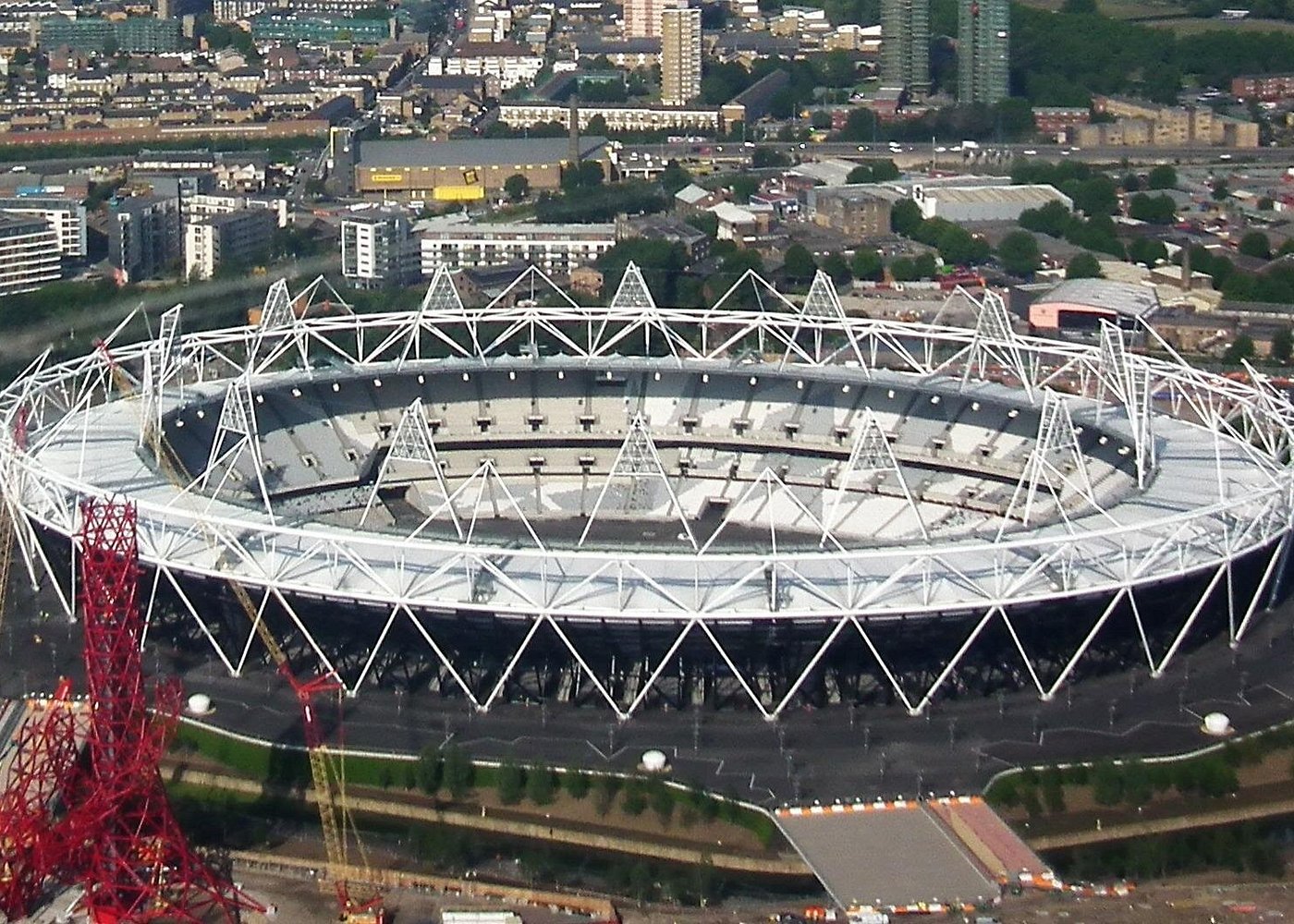
A private day that routes around whatever the fixture list has done to your plans, rather than depending on one ground being open.
From $1,183 per person
Check AvailabilityThe other side of the calendar: if the fixture list blocks your tour date, the reason it is blocked may be the better day out.
From $340 per person
Check Availability