
Chelsea Football Club Stadium and Museum Tour
The tour described above, at its lowest price — the full behind-the-scenes route with the museum included.
From $47 per person
Check AvailabilityThe route is fixed, the order rarely varies, and knowing what is coming changes what you get out of it. Here is the ground room by room, with how long you have in each and what is worth looking at while you are there.
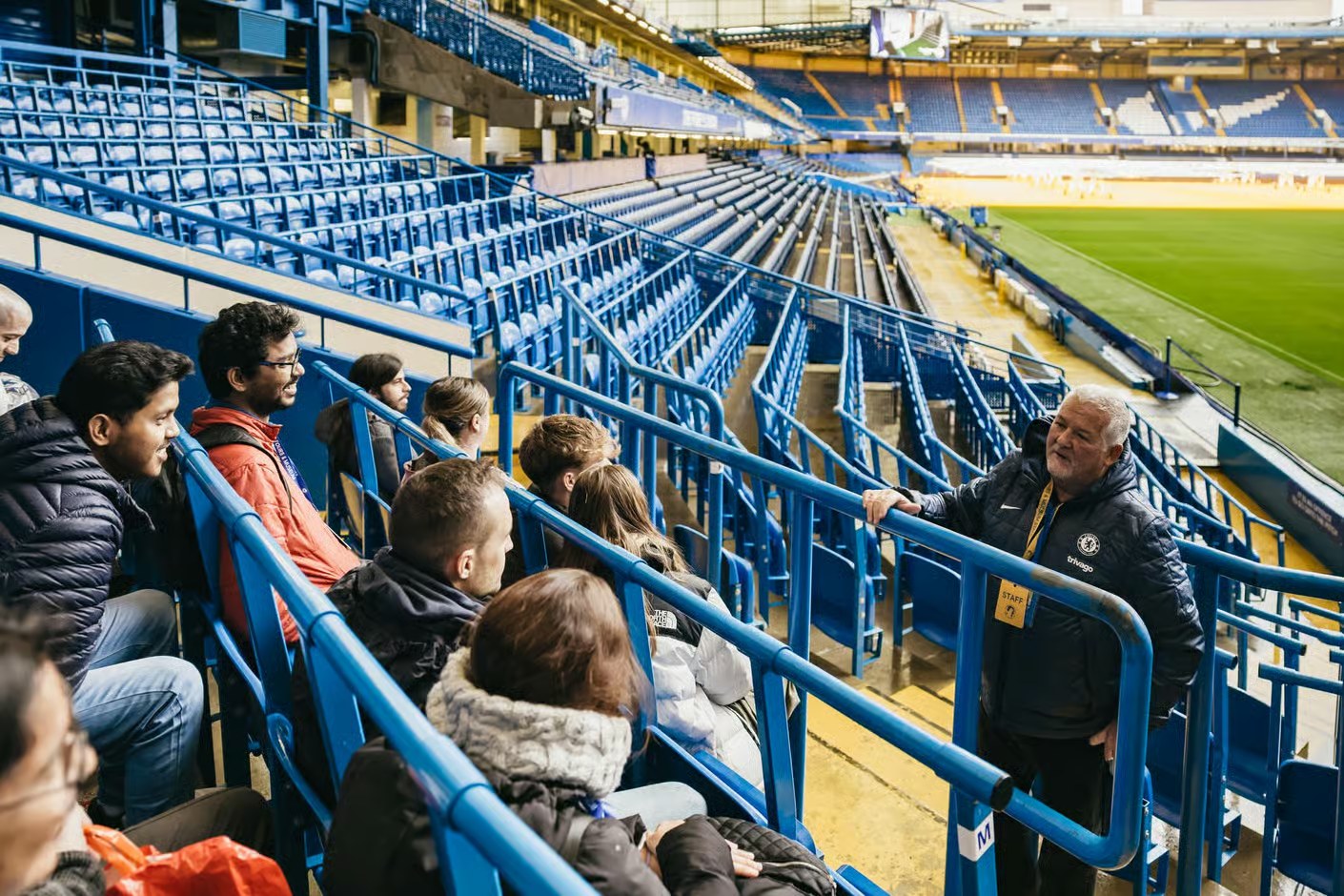
A guided walk through the parts of the ground a match-day ticket never reaches, in a group led by a Chelsea guide, on a route that runs the same way every time because the building dictates it.
The logic is chronological rather than geographical: you follow the path a player takes on a match day. Arrive, change, walk the tunnel, come out onto the pitch. That is why the away dressing room comes before the home one and why pitchside is the emotional peak rather than the opening shot.
The museum is separate and self-guided, before or after depending on your ticket, and it is where the remaining thirty minutes go.
A stadium tour with museum entry, on a non-match weekday.
| Minutes | Where | How long | What you get |
|---|---|---|---|
| 0 | Meeting point at the west stand | 10 | Check-in, group formed, the ground’s history in brief |
| 10 | Stand and bowl | 10 | Up into the seating; the pitch from height, capacity and the four stands |
| 20 | Away dressing room | 8 | Deliberately plain; the psychology is the point |
| 28 | Home dressing room | 12 | The shirts hung, the treatment area, the manager’s corner |
| 40 | The tunnel | 7 | The walk out, and the noise the guides describe |
| 47 | Pitchside and dugouts | 13 | The touchline, the benches, the view players see |
| 60 | Press room | 10 | Where managers face the cameras after a bad afternoon |
| 70 | Museum | 20–30 | Self-guided: trophies, shirts, the century of the club |
Around forty minutes of that is in rooms the public never enters, which is what the ticket actually buys.
At the west stand, on the Fulham Road side, where the tour desk sits. Arrive fifteen minutes early: groups run to a schedule, the desk checks bookings, and a late arrival holds thirty people.
Fulham Broadway on the District line is a three-minute walk. The ground is signed from the station exit and there is no ambiguity about the route.
Bags are checked and large ones may not be admitted, which is worth knowing if you have arrived from a station with luggage. There is no cloakroom of any size.
First, and deliberately underwhelming.
It is smaller than the home room, plainer, and the guides make a point of it. Football grounds have always used the away dressing room as a small psychological lever, and Stamford Bridge is no exception. Benches, pegs, a modest treatment area, and nothing that says welcome.
What makes it interesting is the contrast that is about to come. Seeing it first and the home room second is the whole reason the route runs this way, and a tour that reversed them would land differently.
The centrepiece for most visitors, and the room people photograph.
Shirts hung at each place with the current squad’s names, a bench that curves round the room, the manager’s corner, the treatment tables and the tactical board. Guides usually name who sits where, which is the detail supporters come for.
Twelve minutes here is the longest single stop on the tour and it is the right allocation. It is also the busiest for photographs, so hang back thirty seconds and you will get the room without twenty people in it.
Short, and it does not need to be long.
You walk the players’ route from the dressing rooms toward the pitch, under the stand, with the light at the end. Guides time this well: most stop the group halfway and let the sound of the ground be described rather than heard, because on a Tuesday morning the stadium is silent and the imagination does the work.
It is the single most photographed spot on the tour after the home dressing room, and the queue for the shot at the mouth of it is worth waiting thirty seconds for.
You come out at the touchline rather than onto the grass — the pitch itself is not walked on, at any price, and no tour offers it.
What you get is the view a substitute has: the bowl from ground level, which is a completely different sense of scale from the seats. The dugouts are open and you can sit in them, which is the thing children do first and adults do second.
Thirteen minutes here, and it is where the guides tell the ground’s stories — the great nights, the famous goals, the corner where something happened. It is the emotional centre of the tour and it is scheduled accordingly.
You sit in the seats the journalists use and somebody in your group gets put behind the desk.
It is the room where managers face the cameras after a defeat, and seeing it empty is oddly effective — a small, plain, low-ceilinged space with a sponsor backdrop and a bank of chairs, entirely unlike its appearance on television.
Guides usually run a short bit of theatre here, taking questions from the group as though at a post-match conference. It works better than it sounds and it is the last stop before the museum.
Self-guided, twenty to thirty minutes, and included on the tickets that say so rather than on all of them.
Chelsea have played here since 1905, and the museum covers the whole of it: the early decades, the seventies side, the nineties revival and the trophies of the modern era. Shirts, boots, programmes and the silverware.
It rewards supporters more than casual visitors, which is the honest position. If you are visiting because you like football rather than because you follow Chelsea, budget twenty minutes rather than thirty and spend the difference on the King’s Road.
Photography for personal use is permitted throughout. Tripods are not, and the press-room backdrop carries sponsor branding that some visitors prefer to frame out.
Largely, and the club publishes the detail rather than leaving it vague.
The route uses lifts where it can and the concourse levels are step-free. The parts that are harder are the tunnel approach and pitchside, where the surfaces change and there are short ramps. Accessible tours are run and are worth asking about directly rather than booking blind through a platform.
The museum is step-free throughout. Fulham Broadway station has step-free access, which is not true of every London ground and makes this one of the easier stadiums to reach.
You will be out by half past eleven if you took a morning tour, which is the whole argument for treating this as a stop rather than a day.
The King’s Road is a fifteen-minute walk east and is the other reason Chelsea is a name people know. South Kensington is four District line stops, putting three free national museums twelve minutes away. Fulham Palace and the river are twenty minutes south and almost nobody goes.
If you are making a football day of it rather than a football hour, the private multi-ground tours pick up where this leaves off — and they are priced per vehicle, which changes the sums for a group.
Chosen to match what this guide covers, not for what sells.
The tour described above, at its lowest price — the full behind-the-scenes route with the museum included.
From $47 per person
Check Availability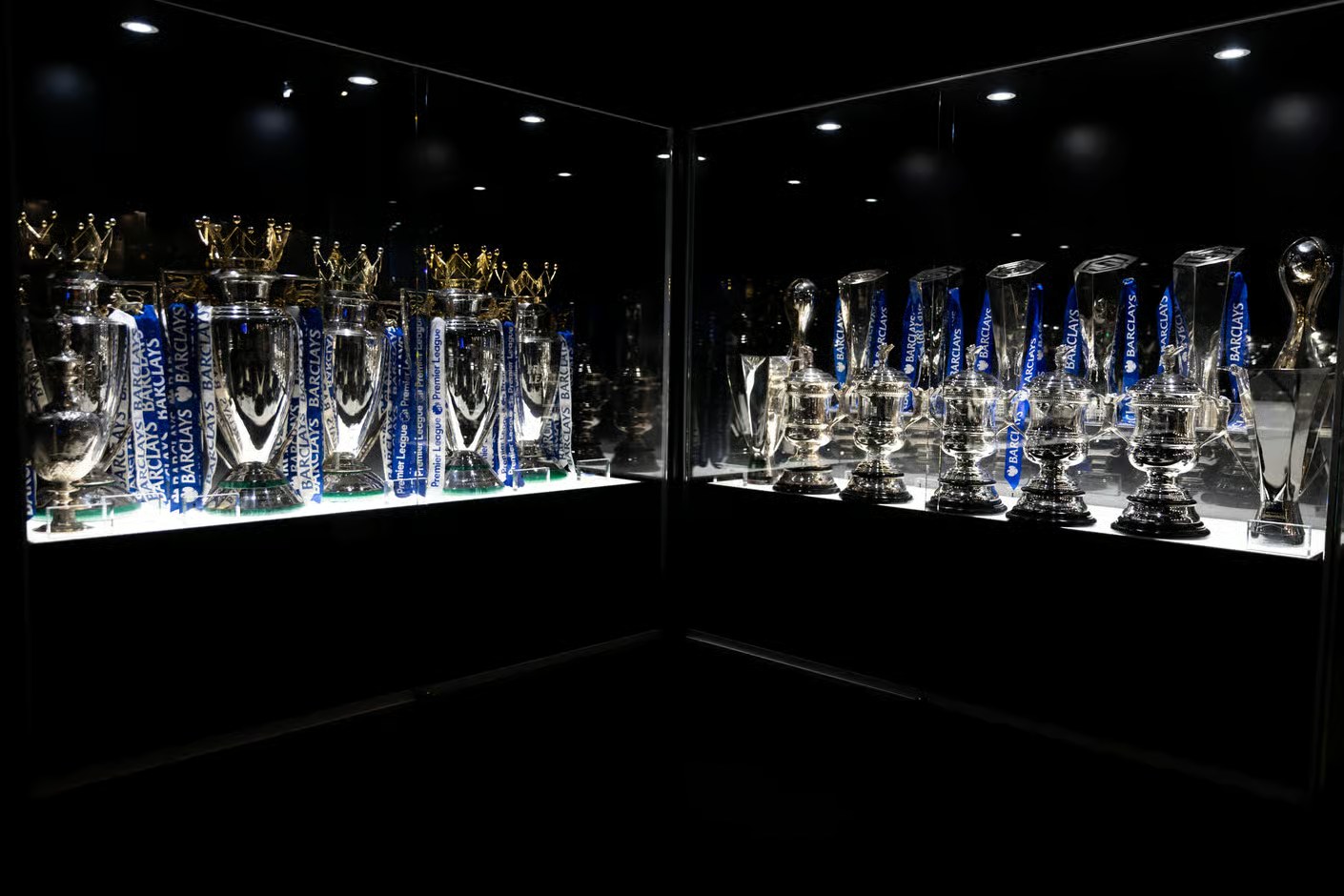
The classic version with fuller museum time, which is the right allocation if you follow Chelsea rather than football generally.
From $57 per person
Check Availability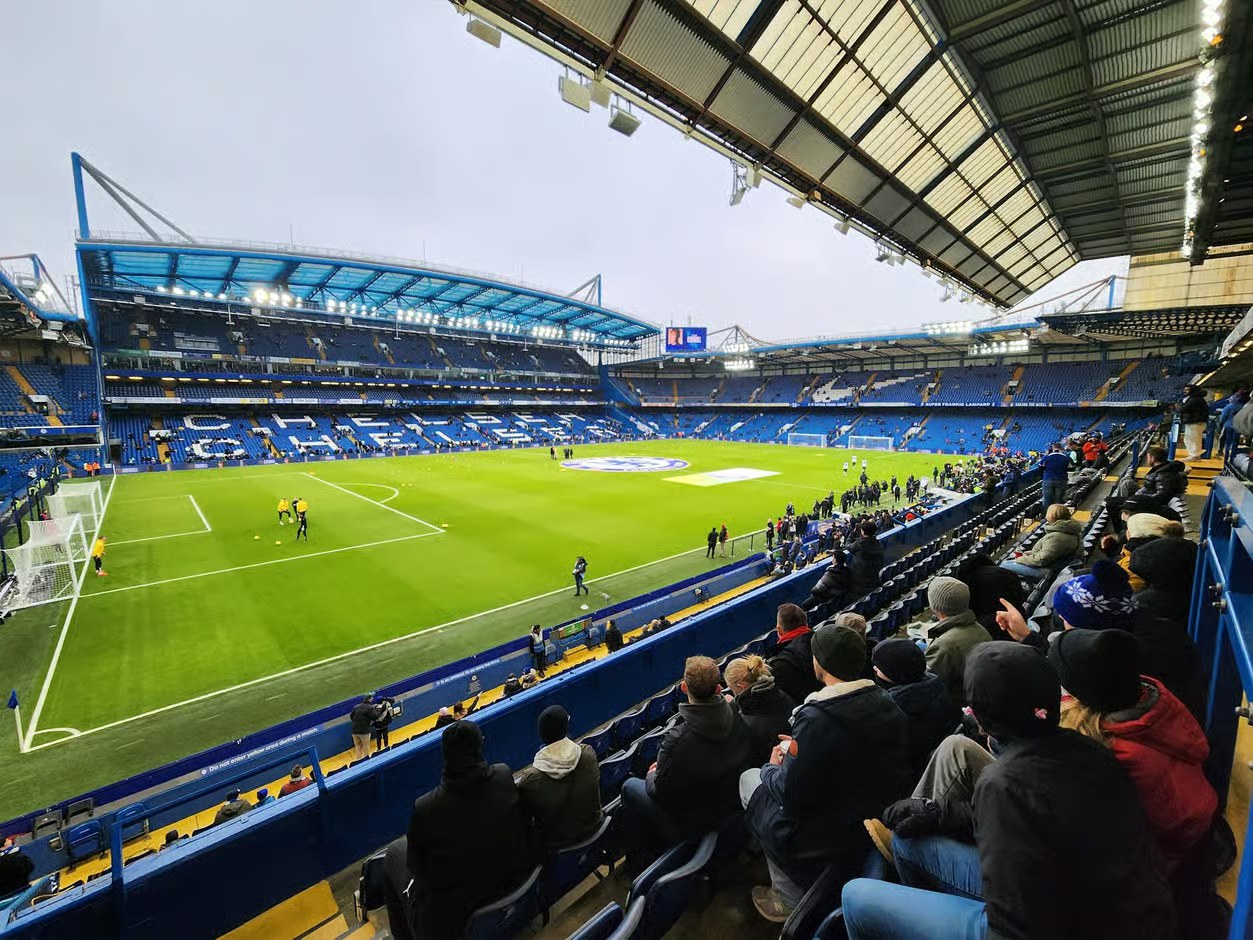
The alternative to all of it: a match ticket, which trades the dressing rooms for the ground in use.
From $340 per person
Check Availability