
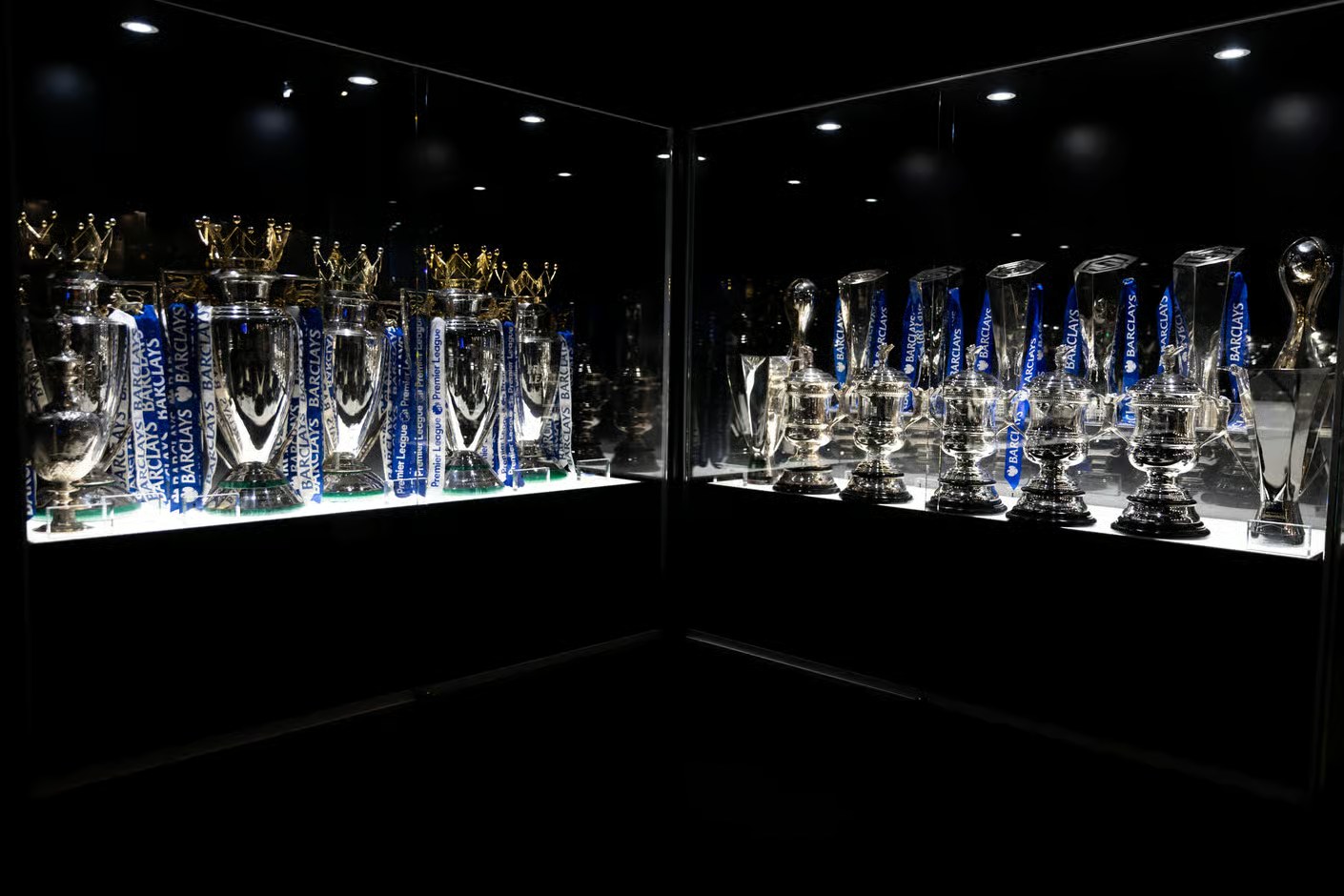
Chelsea FC Museum and Stamford Bridge Classic Tour
The tour with the longest museum time, which is where a century of the club is actually laid out.
From $57 per person
Check AvailabilityHow a Victorian running track in Fulham became the home of Chelsea FC — and what a stadium tour still shows you of the old ground beneath the modern one.
Stamford Bridge opened in 1877 as an athletics ground and has been Chelsea’s home since 1905 — the club was founded to fill it, not the other way round. Almost nothing of the Victorian ground survives above ground, but the Shed End name, the site’s awkward footprint and the museum’s own collection all carry the history, and the stadium tour points them out as you go.
Stamford Bridge opened on 28 April 1877, and for its first twenty-eight years it had nothing to do with Chelsea, or with football. It was an athletics and cricket ground built for the London Athletic Club, laid out by Archibald Leitch, the Scottish engineer whose fingerprints are on grounds from Anfield to Old Trafford to Craven Cottage. Runners, not footballers, were the first crowds here.
In 1904 the businessman Gus Mears, with his brother Joseph, bought the ground meaning to stage football on it. The obvious move was to invite an existing club to move in; when nearby Fulham FC declined, Mears did something rarer. On 10 March 1905, at The Rising Sun pub on Fulham Road — opposite the ground's present main entrance — he founded a brand-new club, Chelsea, to fill the stadium. It is one of the few clubs in English football created to occupy a ground rather than the reverse, and Chelsea have played home games at Stamford Bridge ever since.
For much of the twentieth century Stamford Bridge was enormous and largely open to the sky, a bowl that could swallow crowds unthinkable today. Its record attendance still stands at 82,905, set when Chelsea played Arsenal on 12 October 1935. In those decades the ground doubled as a general arena: it hosted FA Cup finals from 1920 to 1922 before Wembley took them on, along with a string of semi-finals and Charity Shield matches, and the surrounding track was used for greyhound racing and speedway.
Because it began as a multi-sport venue, the Bridge saw things no modern stadium would. A touring All Blacks rugby side played there in October 1905; a baseball game between two touring American teams took place in 1914; a speedway club raced on the track from 1929 to 1932. These are the odd, half-forgotten layers a good guide mentions on a tour, and they are the reason the ground feels older than its current architecture suggests.
The stadium visitors walk through now is largely a product of the 1990s. A comprehensive redevelopment replaced the sprawling terraces with a compact, enclosed all-seater of roughly 40,000, wrapped by hotels, the megastore and the club's offices. Of the original ground almost nothing survives except a preserved stretch of the old Shed wall. The steep 1970s East Stand remains the most recognisable piece of architecture and a common talking point on the stadium tour.
One theme runs through every era: the site. Hemmed in by roads, railway and the streets of Fulham, Stamford Bridge could never spread outward the way newer stadiums have, which is why its capacity settled around 40,000 rather than the far larger figures of some rivals. That constraint shaped every redevelopment and is part of why the club has, at various points, weighed rebuilding on the same footprint. For a visitor it means the stands sit unusually close to the pitch — something you feel most standing pitchside on a tour.
Part of understanding the ground is knowing its four stands, each with its own character. The East Stand, built in the 1970s, is the tall, steep, multi-tier structure that dominates the skyline and holds most season-ticket holders. Opposite it sits the West Stand, rebuilt in the 1990s. Behind one goal is the Shed End, whose name and a preserved stretch of its old wall are the ground's clearest link to its terraced past; behind the other is the Matthew Harding Stand, named for the late Chelsea director. A guide will point these out from pitchside, and knowing them in advance makes the geography click.
Here is a fact that surprises many visitors: the freehold of the pitch and the stadium name is held not by the club's owners but by Chelsea Pitch Owners, a fan-backed body set up in the 1990s to keep the ground from being sold off for development. It is an unusual arrangement in modern football and part of why any talk of a new stadium is so complicated — the club can't simply sell the site. It's the kind of detail that turns a walk round the ground into a story about how football grounds survive in expensive cities.
Because the 1990s rebuild was so thorough, very little of the Victorian and early-twentieth-century stadium remains. The clearest survivor is a preserved section of the old Shed wall, kept deliberately when the terrace behind the south goal was replaced by seating. Everything else — the vast open banks that once held tens of thousands, the athletics track, the greyhound rails — is gone, replaced by the compact bowl and the buildings packed around it. That contrast, between a ground that once held 82,905 and one that now holds around 40,000, is one of the things a good tour brings to life.
Set side by side, a handful of figures tell the whole story: a huge, open Victorian arena gradually reshaped into a compact modern one, without ever moving off its original site.
| Measure | Figure | Note |
|---|---|---|
| Opened | 1877 | As an athletics ground, nearly three decades before Chelsea existed |
| Chelsea’s home since | 1905 | The club was founded to fill the ground, not the other way round |
| Record attendance | 82,905 | Set in 1935, and it will never be beaten here |
| Capacity today | About 40,000 | All-seater since the 1990s, which roughly halved it |
| Site moves | None | Unusual longevity for a top-flight ground in a city where land is scarce |
| Nearest station | Fulham Broadway | District line, about five minutes on foot |
The capacity line is the one that surprises people. Full detail on hours, access and what a visit involves today is on visitor information.
That 82,905 will never be beaten here, and understanding why is understanding the modern ground. The old terraces packed standing spectators in at densities that are now, rightly, illegal; the switch to an all-seater in the 1990s roughly halved the capacity in exchange for safety and comfort. So the record isn't just a number — it's a marker of a vanished way of watching football, and the kind of thing a guide uses to explain why the ground looks and feels the way it does today.
The museum is where most of the surviving history actually lives, and it is included with every stadium tour — the Chelsea FC Museum page sets out what is in it.
The appeal of a visit is that this is a history you can walk through rather than only read. The tunnel and dressing rooms belong to the modern club; the trophies and memorabilia in the museum trace the long arc from 1905; and the ground's shape still carries the marks of its Victorian origins. To plan the practical side, see our visiting Stamford Bridge guide, and to weigh the ticket options, browse the Stamford Bridge tours and tickets. However you come, Stamford Bridge Tours has the current tour and ticket detail.
Chosen to match what this guide covers, not for what sells.
The tour with the longest museum time, which is where a century of the club is actually laid out.
From $57 per person
Check Availability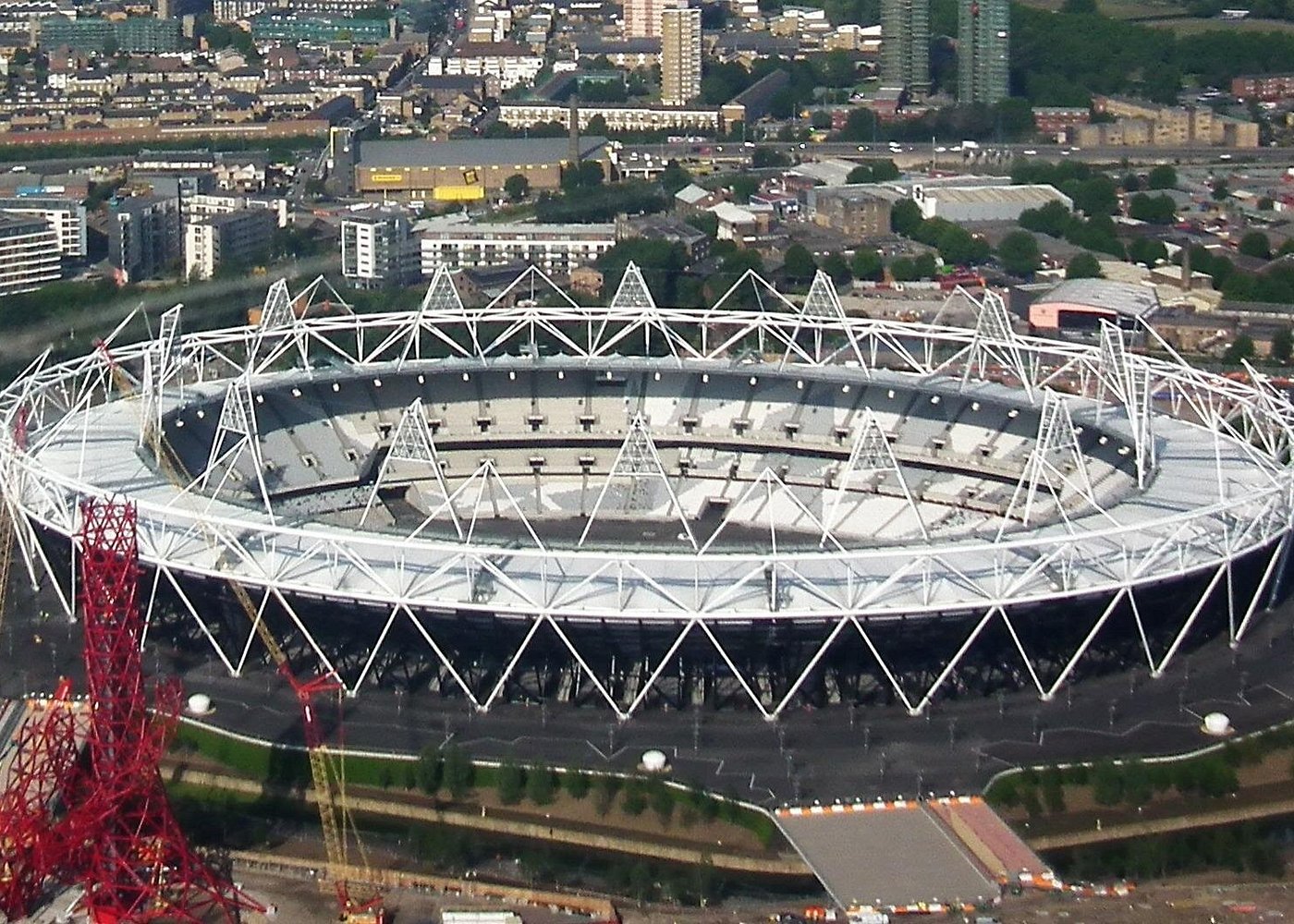
A private day across London’s grounds, for anyone following the history of the city’s football rather than one club’s.
From $1,183 per person
Check Availability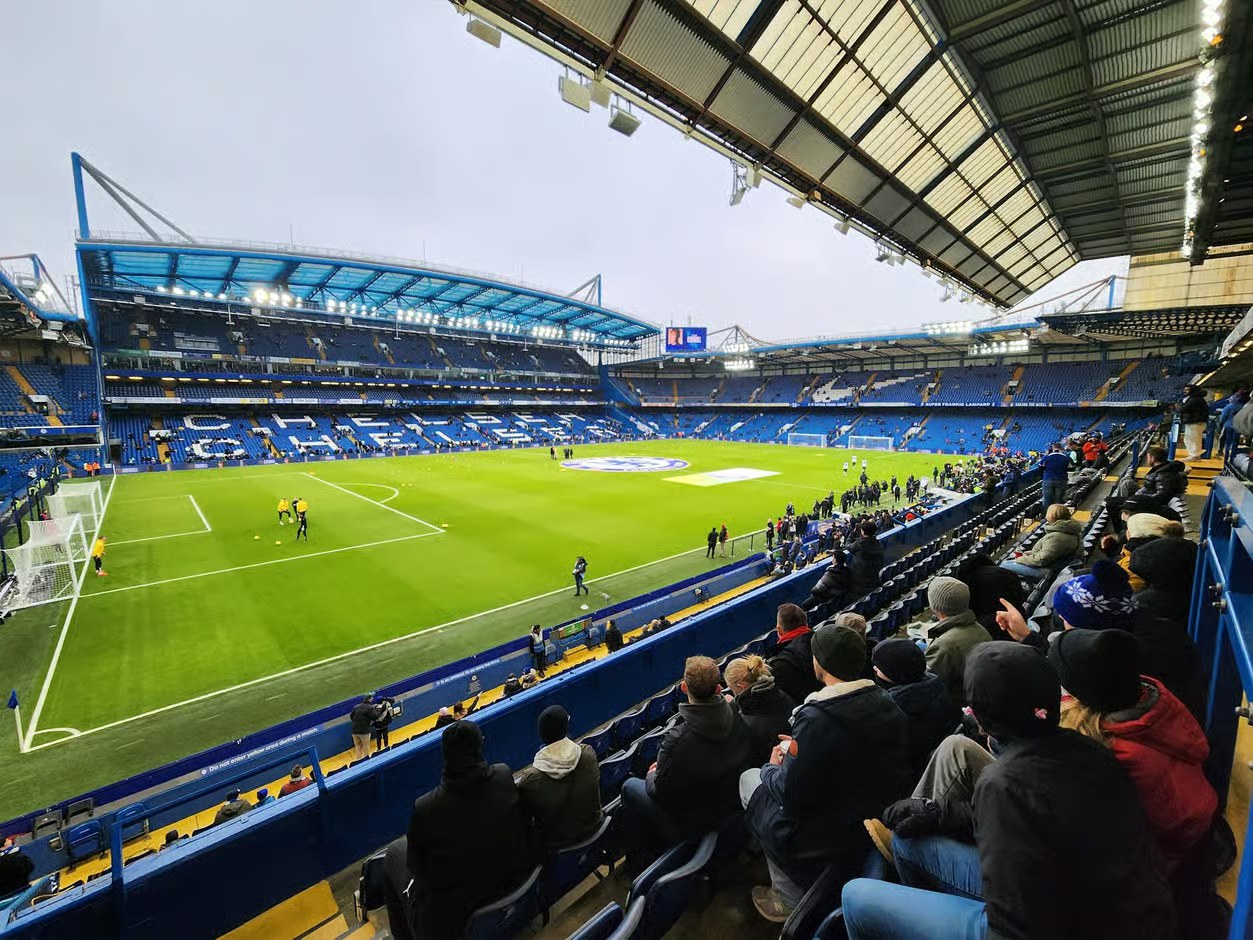
The ground in use, which is the only way to see what all that history was building toward.
From $340 per person
Check Availability